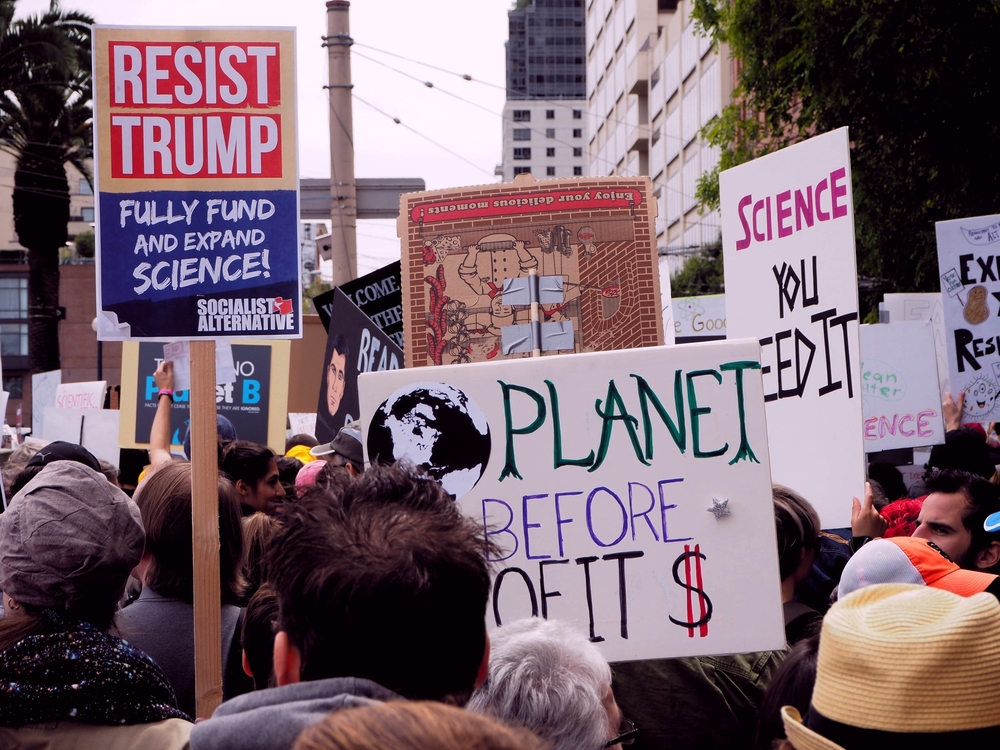
Hurricane season is about to hit vast areas in the Americas, wildfires continue to plague the western U.S., floods keep hitting the southeast, and the Trumpist regime rolls back climate action. We all need some good news to follow bad news on climate change.
But we cannot bury our heads in the sands that threaten to snuff out life on our planet. So let’s start with awareness of the bad news hitting Earth’s solar plexus.
Some of Too Much Bad News on Climate Change
First, there is Trump’s “big beautiful bill,” which passed the House of Representatives last week. This budget bill would end many incentives that were part of Biden’s Inflation Reduction Act; it now sits with the U.S. Senate. The Washington Post noted in a recent newsletter, “ The Inflation Reduction Act spurred clean energy projects across the country — a majority of which are in red districts. About $522 billion for local projects could be wiped away…Some policies from the Inflation Reduction Act, mainly the ones surrounding lower-emission energy production, are popular in states such as Kentucky, North Carolina and Ohio, places involved in making electric vehicles and EV batteries. Some Senate Republicans have talked about wanting to preserve some of the clean energy programs, or at least wind them down slower than what the House wrote into its bill.”
Federal Cuts To Climate Action
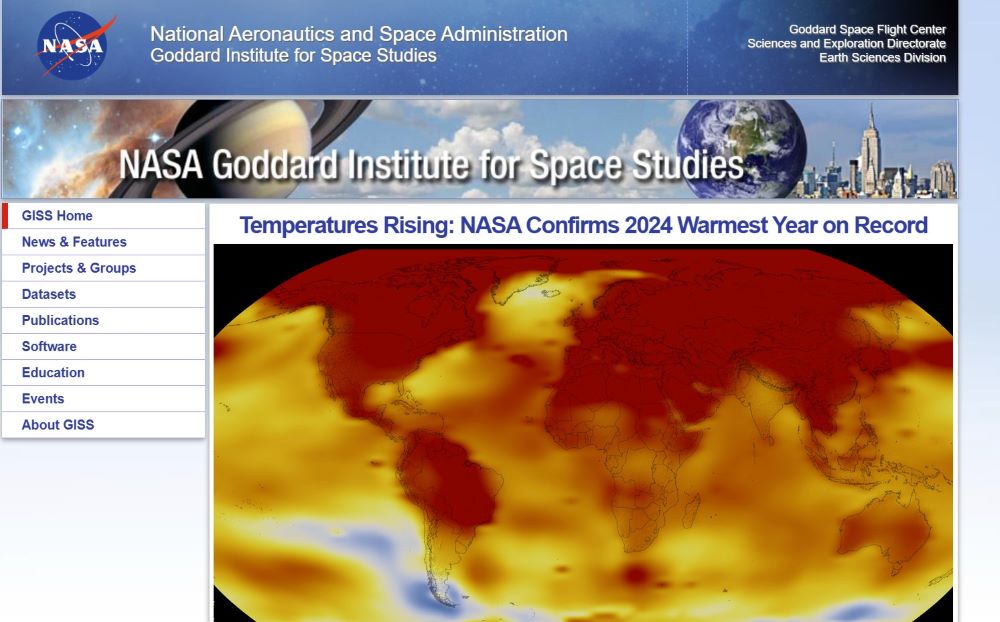
The federal cuts are hitting hard, according to this report from Inside Climate News: A Double Whammy for Scientists: Big Budget Cuts, Big Climate Consequences. “Since 1966, this Upper West Side location has been the home of the NASA Goddard Institute for Space Studies, a laboratory dedicated to unraveling the complex dynamics of natural and man-made changes on our planet and beyond. The Columbia University-owned building, known as Armstrong Hall, has hosted scientists who have made a number of groundbreaking discoveries…However, on April 24, NASA informed scientists working at the institute that the agency’s tenure at the location was about to end.” The action has led to high anxiety among research scientists involved in projects there. “As a way to cope, some researchers have formed climate science support groups, while others have turned to comedy. Amid ongoing assaults on climate science in the U.S., many researchers have organized protests to defend scientific integrity and fight to retain funding, as my colleagues reported in March.”
Another Bad Pollutant Shows Up
Another item from Inside Climate News caught my attention: A Restricted Climate Super Pollutant Is Pumped Out at Far Higher Levels Than Countries Admit. What Happens Next? The bad news: “Elevated concentrations of a chemical known as trifluoromethane, or HFC-23, were detected at remote monitoring sites worldwide, according to a study published in the journal Communications Earth & Environment in late December. The study concluded that 40 percent of the emissions came from eastern China, suggesting the country may be violating an international climate agreement…One solution may be to simply make less of the chemicals that produce such potent greenhouse gases. Countries could agree to limit the production of HCFC-22 and other chemical feedstocks under the Montreal Protocol.”
Some Good News Follows!
The New York Times offers these good news items from its 50 States, 50 Fixes series:
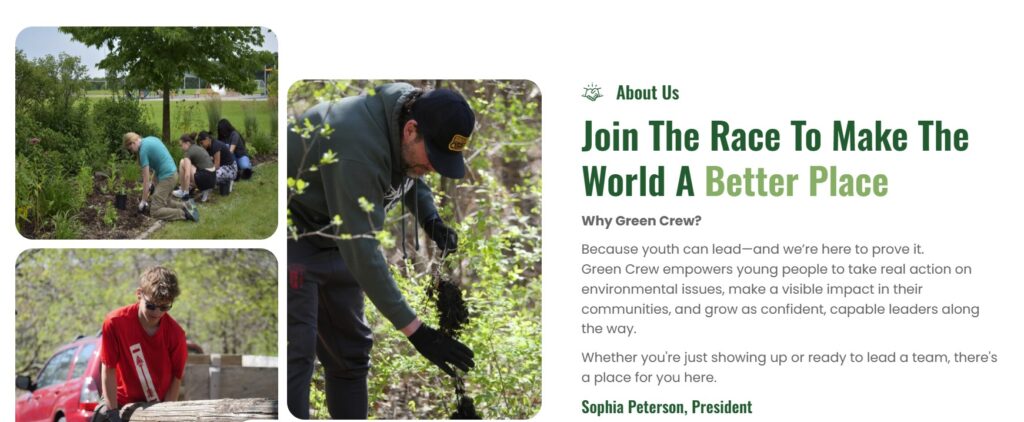
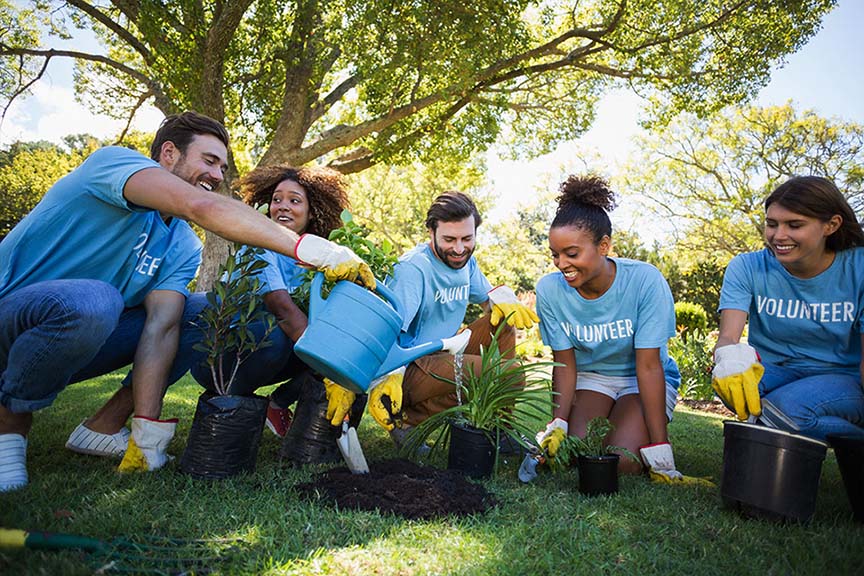
Minnesota Teens Are Fighting Climate Anxiety With Shovels – “Run by teenagers, for teenagers, the Green Crew helps students get their hands dirty with projects like tree planting, trail restoration and invasive species removal,” channeling their climate anxiety into action.
Virginians Are Restoring a Forest Economy Built on Herbs and Tradition – “Farmers have banded together to make the market for herbal supplements and remedies, part of Appalachia’s cultural heritage, more sustainable and more profitable…The idea grew out of a successful food hub that was founded by Appalachian Sustainable Development, a nonprofit group. Since 2017 the Herb Hub has sold 2,880 pounds, and demand is now more robust than ever. More than a third of those sales occurred in 2023 and 2024.”
How a Water Conservation Idea Won Over Oklahoma Farmers – “Grant Victor wasn’t sure what to expect when he decided to fence his cattle off from Horse Creek…a century’s worth of bovine traffic had left the creek’s banks muddy and bare, and its waters thick with kicked-up sediment and animal waste. In 2016, Mr. Victor resolved to change that. Working with a conservation program, he installed fencing around Horse Creek, creating a protective riparian buffer, even though it meant keeping his animals off 220 acres, about 6 percent of his family’s land. Today, Horse Creek is no longer on the state’s list of most contaminated waterways. And, thanks to practices such as the ones enacted by Mr. Victor, about 100 Oklahoman streams once polluted by runoff predominantly from farmland have been restored to health. That’s more than in any other state, according to the Environmental Protection Agency.”
Climate Solutions with Potential for Good News
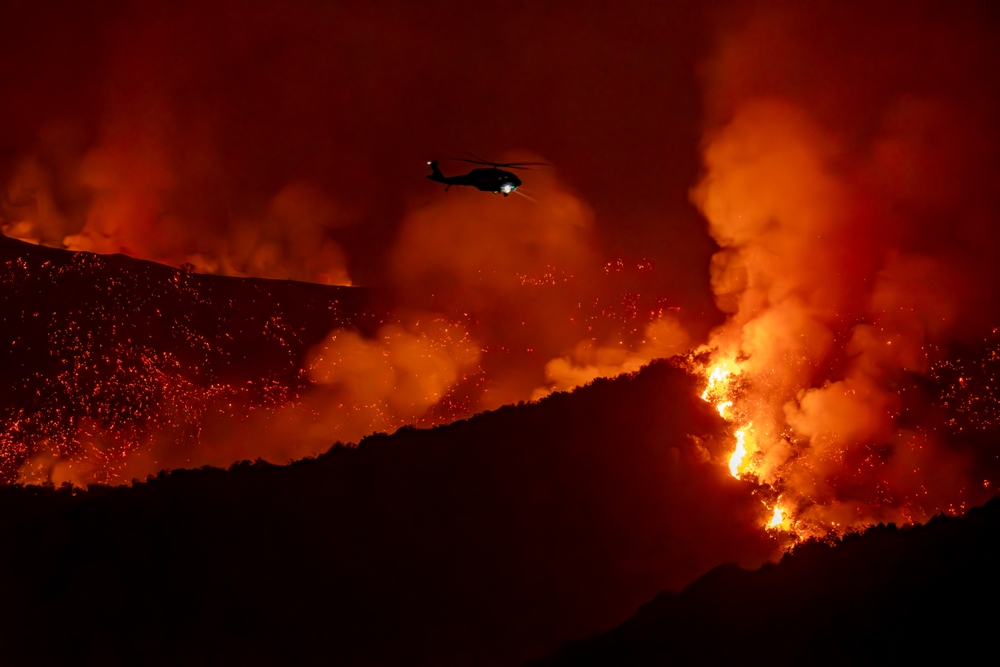
The Condor offers this idea worth pursuing: Not-So-Weird Tricks to Dodge Fiscal and Fire Disaster: Josh Lappen, Ph.D., explains how removing gas lines and moving electric lines underground could be a win-win for Los Angeles, insurers and even the regional utility company. Dr. Lappen explains: “Pruning back the gas system unlocks the opportunity to more cheaply bury local electric distribution lines. Electric lines are a major source of fire ignitions, including potentially in the Eaton Fire. Moving overhead lines underground is a proven safety solution but is normally cost-prohibitive, in part because of the difficulty of hand-digging around existing gas pipelines. By removing those gas pipelines, policymakers can significantly lower the cost of burying electric lines, cost-effectively removing two major fire risks at once.”
The Solutions Worth Sharing Network points to this report from The Xylom: The Fifth Vital Sign: Atlanta Doctors Are Talking Climate Change With Patients – “Though climate change might seem like an issue outside the realm of healthcare, there are several interrelated factors such as the effects of heatwaves and other extreme weather, allergies and the spread of infectious diseases, and malnutrition due to changes in food production. ‘I try to make [talking to patients about climate] a habit, and I actually teach the residents that I work with to try to do the same,’ said Mehul Tejani, a primary care doctor in Atlanta who also serves on the steering committee of Georgia Clinicians for Climate Action.” For many years, local public health professionals have managed emergency medical response as weather disasters have increased in frequency and intensity, creating adverse physical and mental health impacts in their communities.
We Must Be Resilient
While we keep searching for Good News to share, here are some past blog items that may help you get through severe weather events to come: